Screenprinting: a short Instructional summary
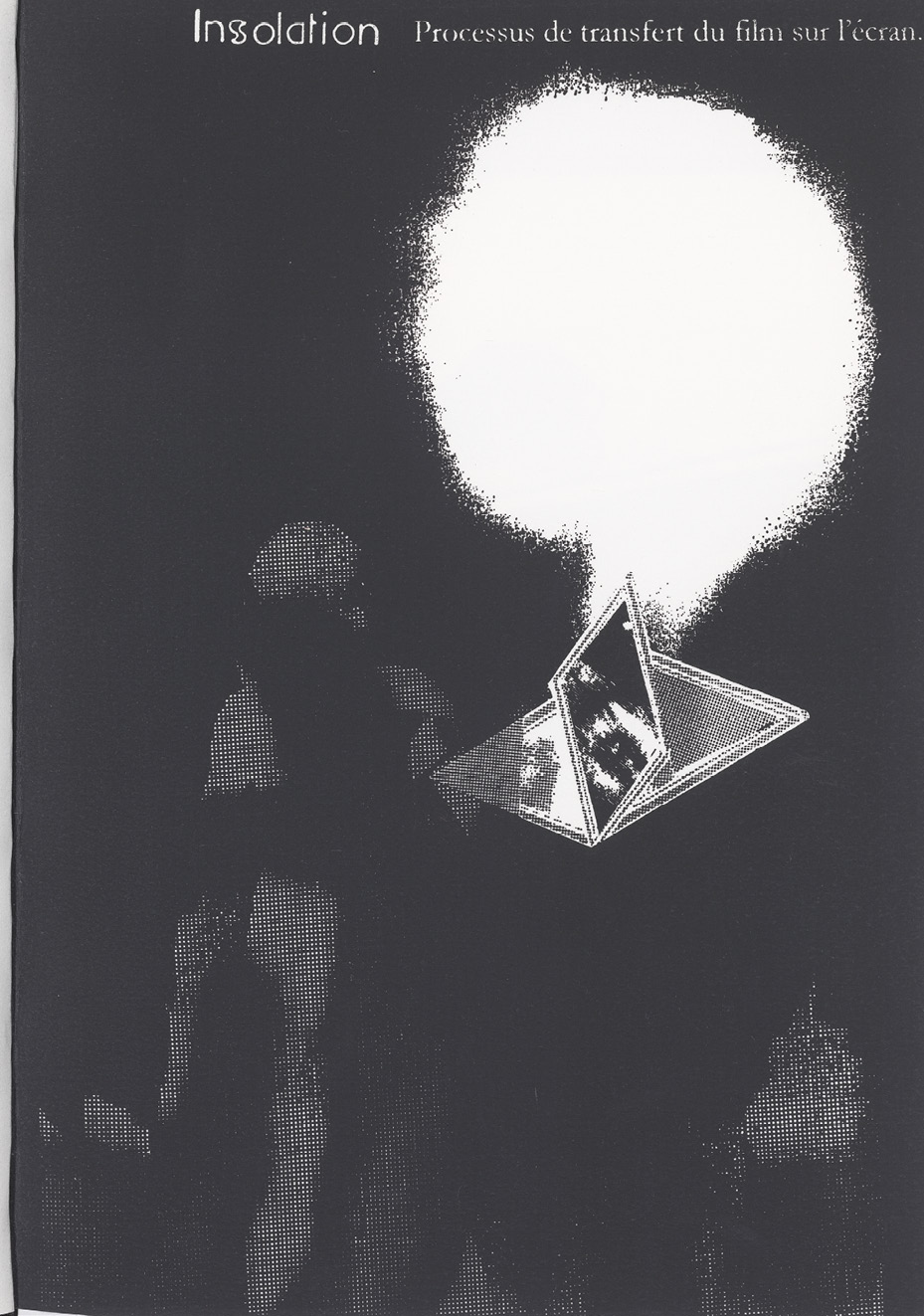
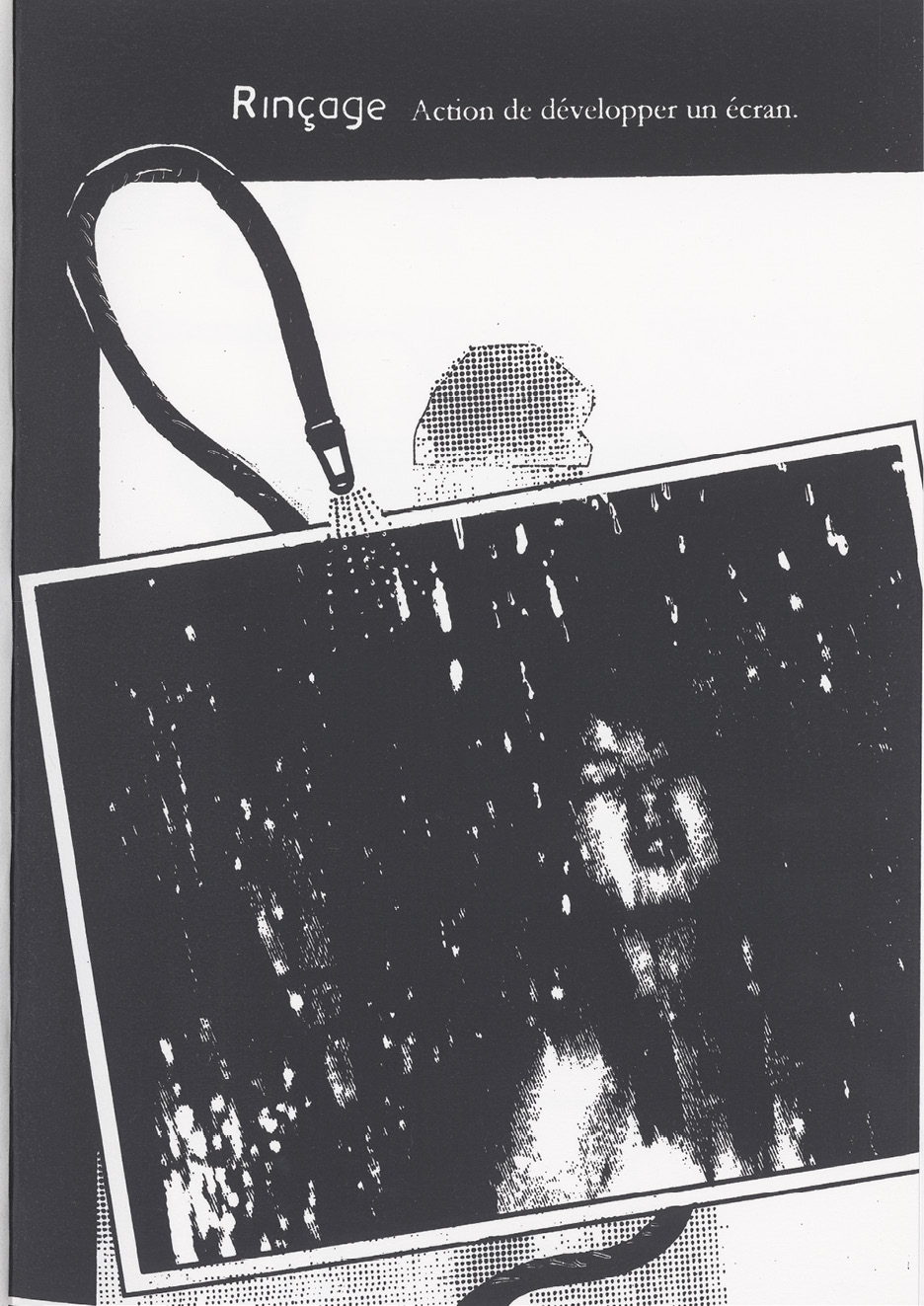
Screenprinting, a process for reproduc-ing artworks that developed from stencil-ing, makes it possible for anyone with an artistic sensibility to reproduce images. An image is photographically insolated onto a screen made from polyester fab-ric stretched around an aluminum frame and then printed by using specifically adapted inks and a sheet of paper on a vacuum table.
To begin making a print on paper, the printer first pours the thick yet diluted ink on to the surface of the screen, then spreads it across the screen with a squee-gee, pushing down hard to make sure that the color goes through the fabric mesh onto the paper (or onto whichever
printing surface is being used: materials derived from paper, glass, Plexiglas, metal, fabric, wood...). Once the sheet of paper (or whichever material) has been printed with the first color, it’s sent through a dryer, and the process is repeated as many times as is necessary according to the number of colors required for making a print that reproduces the artist’s original work as closely as possible. Since the art-ist has entrusted the printer with the task of bringing his or her mysterious imag-ination to life, he or she will sometimes intervene during the printing process and modify the color on one part or another of the print that’s being created.
Jef Gravis